Primary Years Programme Curriculum
What We Study – Exploring Knowledge Across
Disciplines in the PYP Framework
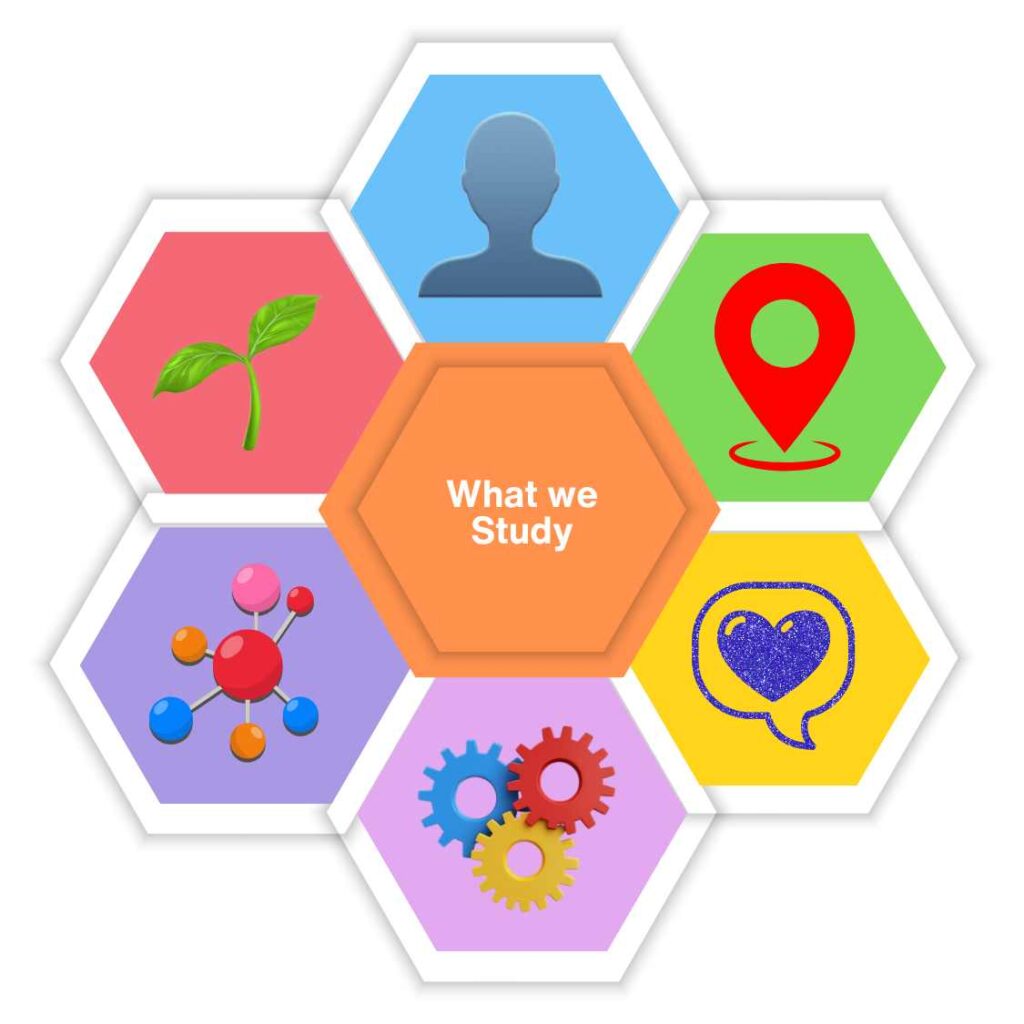
Who We Are: An inquiry into identity as individuals and as part of a collective through: physical, emotional, and spiritual health and well-being; relationships and belonging; learning and growing.
Who We Where We Are in Place and Time: An inquiry into the histories and orientation in place, space, and time through periods, events, and artifacts; communities, heritage, culture, and environment; natural and human drivers of movement, adaptation, and transformation.
How We Express Ourselves: An inquiry into identity as individuals and as part of a collective through: physical, emotional, and spiritual health and well-being; relationships and belonging; learning and growing.
How the World Works: An inquiry into the understandings of the world and phenomena through: patterns, cycles, systems; diverse practices, methods, and tools; discovery, design, innovation, possibilities, and impacts.
How we organize ourselves: An inquiry into systems, structures, and networks through interactions with and between social and ecological systems; approaches to livelihoods and trade practices: intended and unintended consequences; representation, collaboration, and decision-making.
Sharing the Planet: An inquiry into the interdependence of human and natural worlds through: rights, responsibilities, and dignity of all; pathways to just, peaceful, and reimagined futures; nature, complexity, coexistence, and wisdom.
Students engage in a broad and balanced curriculum that encourages inquiry, critical thinking, creativity, and meaningful connections across subjects.
Language
Social Studies
Mathematics
The Arts
Science
Personal, Social & Physical Education (PSPE)
Conceptual Understanding:
How We Think
At the core of the curriculum are seven key concepts. These “lenses” shift the focus from rote memorization to deeper, transferable understanding:
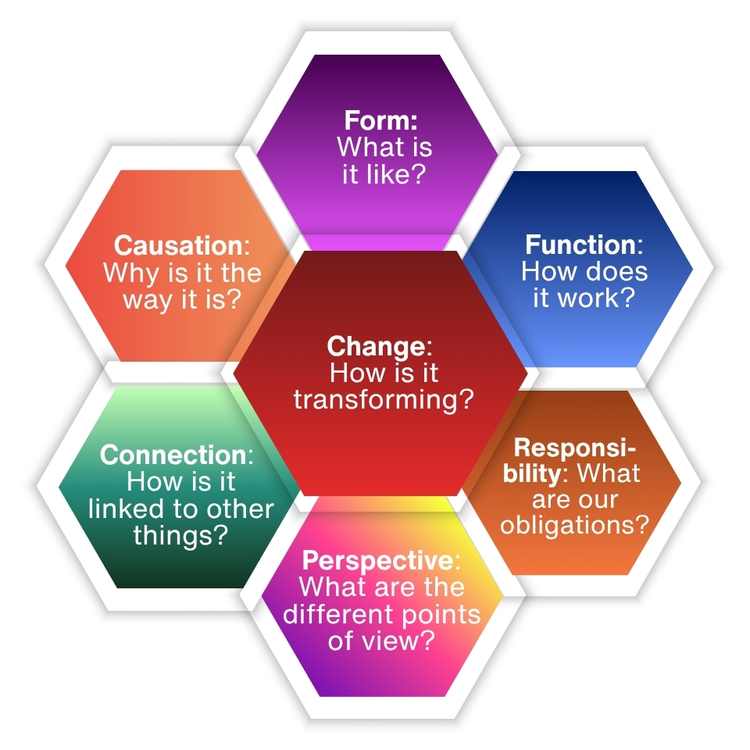
Change: How is it transforming?
Form: What is it like?
Function: How does it work?
Responsibility: What are our obligations?
Perspective: What are the different points of view?
Connection: How is it linked to other things?
Causation: Why is it the way it is?
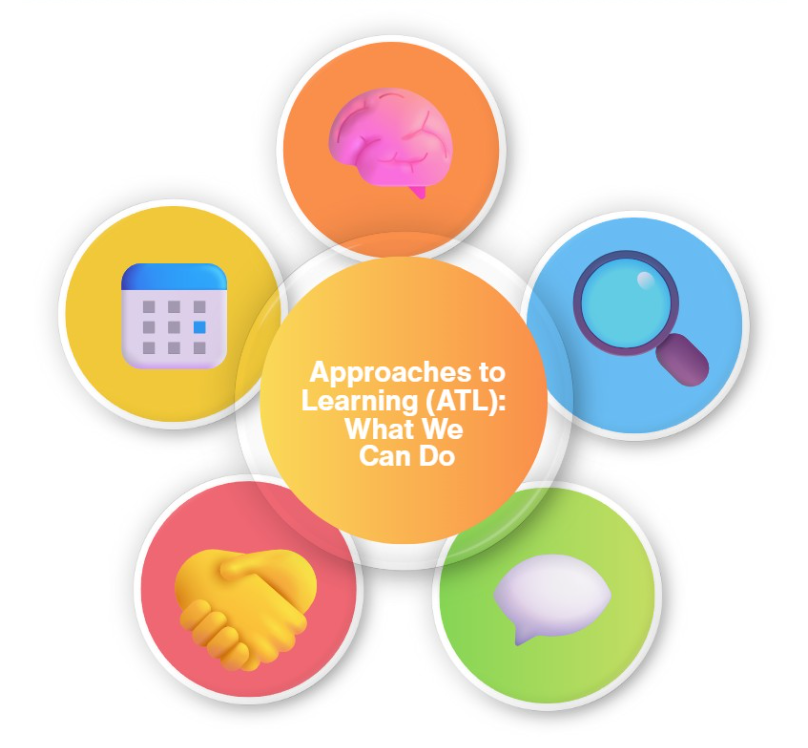
Approaches to Learning (ATL): What we can do
Thinking Skills
Research Skills
Communication Skills
Social Skills
Self-Management Skills